The Challenge
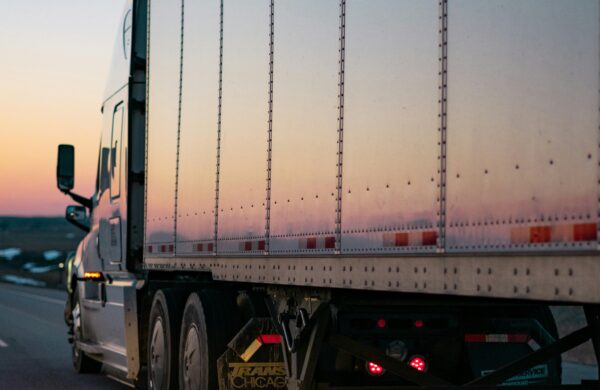
Particulate matter (PM2.5) presents one of the greatest threats to human health, decreasing average life expectancy by nearly 2 years. Transportation emissions, and especially heavy-duty diesel trucks, are the largest source of PM2.5 in the United States. However, enforcing truck regulations has proven prohibitively costly, and non-compliance and evasion are rampant. For example, while over one million heavy-duty trucks operate in California each year, only 1 percent are inspected. That’s the case despite the fact that California has implemented stringent emissions standards for these trucks.
Our Approach
Advances in technology offer the potential to drastically, and cost-effectively, improve the enforcement of emissions regulations and air quality. The E&E Lab is partnering with the California Air Resources Board to pilot the use of novel remote sensing technology that measures emissions as trucks drive by, making it possible to identify high- emitting trucks in real time. Leveraging this technology, the Lab has designed a field experiment to measure the impact of targeted enforcement actions on regulatory compliance, emissions, and pollution damages, and emissions leakage state-wide.
Opportunities for Scale
As California leads the way at implementing cutting-edge environmental regulations and techniques to evaluate them, policymakers around the world look to the state as a model. This large-scale evaluation of California’s truck emissions rules and enforcement will allow policymakers to better target successful emissions enforcement actions and has the potential to affect regulatory decision-making globally.